


When operating heavy machinery, automotive chassis systems, aerospace structural assemblies, and precision mechanical equipment, many engineers overlook hidden durability flaws inside metal casting components. Low-density structural metals seem lightweight and economical at first glance, yet they frequently suffer from deformation, corrosion, fatigue cracking, and insufficient load resistance under long-term high-pressure and frequent vibration environments. These invisible defects gradually shorten service life, increase maintenance frequency, raise overall operating costs, and even trigger unexpected safety failures during continuous production. Choosing qualified magnesium alloy precision casting parts becomes the core solution to eliminate these underlying industrial troubles fundamentally.
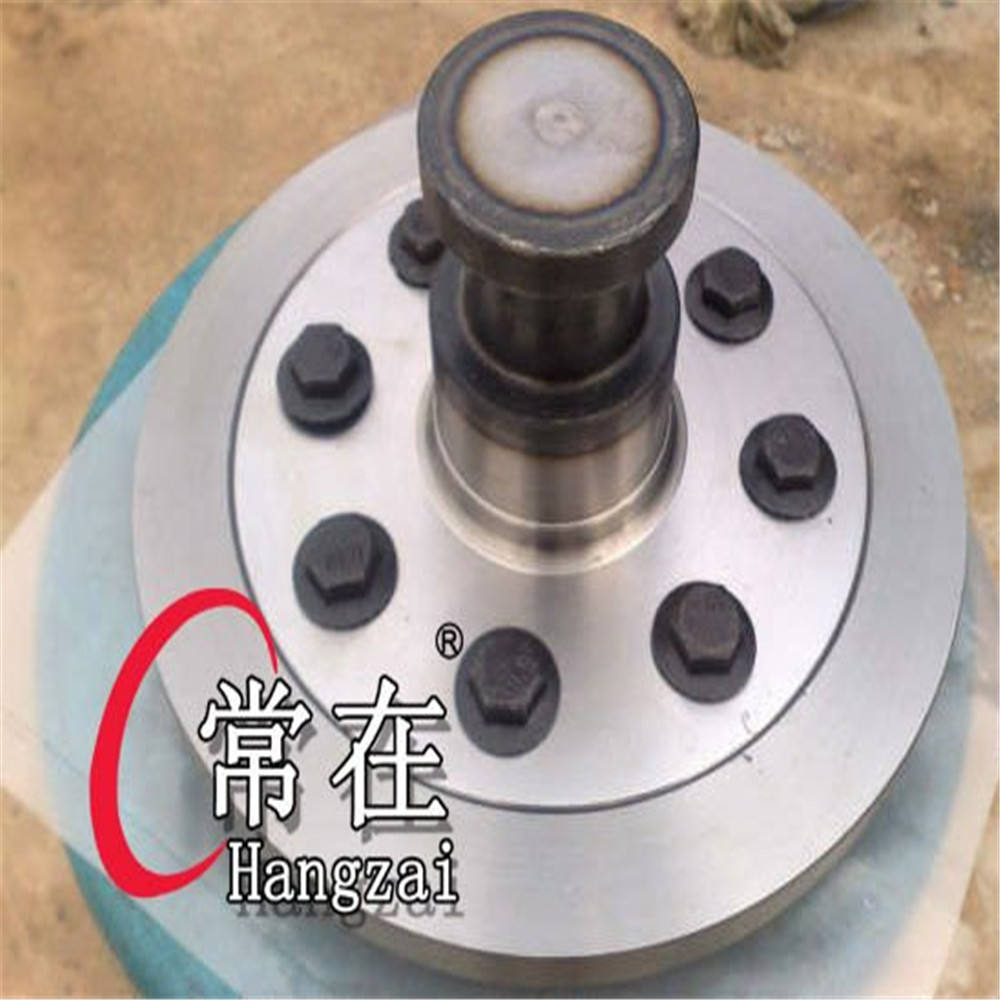
Most buyers only focus on surface dimensional accuracy and unit price when purchasing structural castings, ignoring material compactness, internal metallographic structure, thermal stability, and corrosion resistance matching working conditions. Unqualified magnesium alloy castings contain excessive impurities, loose internal structures, and uneven stress distribution. Once exposed to humid air, outdoor weathering, oil erosion, or alternating temperature changes, oxidation and peeling accelerate rapidly. Professional customized casting solutions supplied by Qingdao Jasmine Precision Parts Co., Ltd. strictly control raw material purification and whole-process casting heat treatment, completely avoiding common quality hazards that plague ordinary metal castings.
Deep-seated problems behind inferior magnesium castings rarely appear in short-term trial use. They are exposed only after months or years of continuous operation, including abnormal wear at joint positions, dimensional drift under high temperature, poor shock absorption performance, and difficult post-processing modification. Unlike simple finished product inspection, practical working condition adaptability determines whether parts can match complex industrial scenarios stably. High-grade magnesium alloy castings integrate lightweight advantages, high specific strength, excellent shock resistance, and dimensional stability, perfectly adapting to strict requirements of automobile manufacturing, new energy equipment, ship accessories, and intelligent mechanical structures.
Many industrial enterprises mistakenly equate all magnesium alloy castings with identical performance indicators. In fact, casting processes including die casting, gravity casting, precision investment casting directly determine internal pore rate, air hole content, tensile strength, and bending resistance. Rough casting technology leads to hidden micro-cracks that cannot be detected by conventional inspection, causing sudden fracture during heavy-load operation. Standardized vacuum die-casting production technology effectively reduces internal defects, improves structural uniformity, and ensures consistent mechanical performance across batch products.
Weight reduction demand is continuously rising in modern advanced manufacturing, but blindly pursuing low weight sacrifices structural safety. Magnesium alloy owns the lowest density among common practical structural alloys, far lighter than aluminum alloy and steel castings. Reasonable lightweight design reduces equipment energy consumption, lowers load burden on supporting structures, and improves operation flexibility without reducing bearing capacity. Scientific material ratio and optimized casting structure balance weight advantage and mechanical strength, solving the long-standing contradiction between lightweight design and safety reliability in industrial component production.
Core Performance Comparison Of Magnesium Alloy Castings & Traditional Structural Metal Parts
| Material Type | Density | Tensile Strength | Corrosion Resistance | Shock Absorption | High Temperature Stability | Service Life Cycle |
|---|---|---|---|---|---|---|
| Premium Magnesium Alloy Casting | 1.74~1.85g/cm³ | 220~280MPa | Excellent anti-humidity & anti-oxidation | Superior damping performance | Stable below 200℃ | Long-term stable operation |
| Ordinary Aluminum Alloy Casting | 2.68~2.75g/cm³ | 180~240MPa | Moderate corrosion resistance | Average shock absorption | Stable below 180℃ | Medium maintenance cycle |
| Ordinary Iron & Steel Casting | 7.6~7.8g/cm³ | 300~420MPa | Poor rust resistance | Weak damping effect | High temperature resistant | Heavy weight increases energy loss |
Hidden working condition risks that users easily ignore include coastal salt spray corrosion, low-temperature brittleness in cold environments, friction fatigue under frequent reciprocating motion, and assembly matching tolerance deviation. Unprofessional casting suppliers cannot provide targeted material formula adjustment according to different application scenarios, resulting in premature damage of finished parts. Custom-processed magnesium alloy castings undergo strict salt spray testing, high and low temperature impact testing, fatigue durability testing, and precision dimension inspection before leaving the factory, fully adapting to harsh outdoor, high-humidity, high-vibration and special climate environments.
Batch consistency is another critical hidden problem affecting large-scale assembly production. Irregular raw material mixing and unstable casting temperature lead to obvious performance differences between single parts. When applied to mass-produced mechanical assemblies, mismatched precision and strength cause assembly difficulty, abnormal equipment operation, and unified quality management chaos. Professional production adopts standardized automated casting lines, fixed material ratio parameters, and multi-stage quality screening, ensuring each batch of products maintains identical precision, strength, and surface quality.
Post-processing adaptability also determines actual application value of magnesium alloy castings. High-quality finished castings support drilling, tapping, polishing, surface anodizing, painting, and anti-corrosion coating treatment freely. Inferior castings are prone to cracking and chipping during secondary processing, wasting processing time and increasing production loss. Integrated customized services cover raw material selection, structure optimization, casting forming, precision finishing, and surface anti-corrosion treatment, providing one-stop finished components that can be directly installed and used.
Long-term comprehensive cost advantage of high-purity magnesium alloy castings far exceeds low-price inferior products. Although initial procurement cost is slightly higher, lower failure rate, longer service life, less maintenance replacement, and reduced equipment energy consumption bring obvious economic benefits in the whole life cycle. Avoiding frequent shutdown maintenance and safety accidents also protects stable continuous production efficiency for industrial enterprises. Choosing mature, reliable and technically professional magnesium alloy casting products helps enterprises reduce hidden operation risks and improve overall product competitiveness in the long run.