


Choosing stable, long-lasting electrodes for high-temperature melting furnaces remains one of the most overlooked yet critical challenges in glass smelting, ceramic sintering, and refractory material processing. Many manufacturing facilities only focus on immediate purchase costs, ignoring corrosion resistance, high-temperature deformation, and service life decay that silently raise overall production expenses month after month. Poor-quality electrodes easily soften, oxidize, break, or contaminate finished products, leading to frequent shutdown maintenance, unstable melting quality, and unexpected production losses that are hard to track. Selecting professional high-purity molybdenum electrodes directly addresses these hidden industrial pain points and builds stable continuous operation for extreme thermal environments.
Most factory operators misunderstand that all refractory metal electrodes perform identically under 1500℃ and above continuous working conditions. In reality, material purity, density uniformity, internal crystal structure, and surface finish all decide whether electrodes can resist thermal shock, molten glass erosion, and chemical corrosion. Low-grade molybdenum electrodes contain excessive impurities, forming brittle internal defects that crack rapidly during frequent heating and cooling cycles. Irregular current conduction also causes local overheating, accelerating oxidation loss and shortening usable lifespan drastically. Professional customized electrode products supplied by Qingdao Jasmine Metal Products Co., Ltd. strictly control raw material purification and precision forming processes to eliminate these inherent quality flaws.
Long-term high-temperature working environments expose hidden durability issues that ordinary product specifications cannot fully reflect. Ordinary molybdenum electrodes suffer obvious volume shrinkage and dimensional deviation after long-time high-temperature baking, resulting in loose contact with furnace equipment, increased energy consumption, and unstable electric arc output. Unstable melting temperature further causes inconsistent glass clarity, bubble defects, and uneven ceramic blank density, reducing qualified product rate greatly. High-density sintered molybdenum electrodes maintain stable size and mechanical strength even under long-term continuous high temperature, avoiding secondary processing adjustments and frequent part replacement during continuous production.
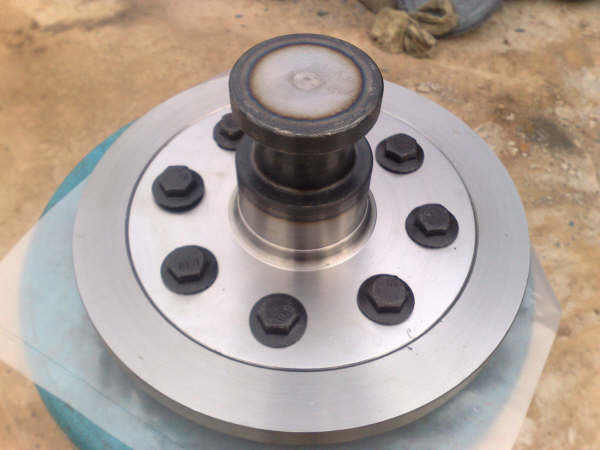
Chemical corrosion resistance directly determines product safety and finished product qualification rate in glass melting applications. Molten glass liquid contains alkaline oxides, impurities, and corrosive ions that continuously erode ordinary metal electrode surfaces. Corroded debris mixes into molten glass, forming black spots, streaks, and color differences in finished glass products. Impurity precipitation also damages furnace lining materials, shortening overall furnace service life. Ultra-high purity molybdenum electrodes feature excellent inert chemical properties against molten glass corrosion, reducing impurity precipitation to the lowest level and protecting both melting quality and furnace internal structure comprehensively.
Thermal shock resistance distinguishes reliable industrial electrodes from inferior substitutes in actual on-site operation. Furnace startup, shutdown, and load adjustment create drastic instantaneous temperature changes that cause internal stress fracture in fragile electrodes. Many users attribute frequent breakage to improper operation, while the core reason lies in unqualified material toughness and sintering density. Optimized rolling and forging technology improves internal grain combination of premium molybdenum electrodes, resisting repeated rapid temperature fluctuations without cracking, breaking or brittle failure, matching frequent production scheduling changes of modern industrial workshops perfectly.
Performance Comparison Of Different Molybdenum Electrode Grades
| Parameter | Ordinary Industrial Molybdenum Electrode | High-Purity Sintered Molybdenum Electrode | Applicable Working Temperature |
|---|---|---|---|
| Molybdenum Purity | 99.0%~99.4% | ≥99.95% | ≤1500℃ / ≤1600℃ continuous |
| High-Temperature Bending Strength | Poor, Easy Deformation | Excellent, Stable Shape Retention | Long-term stable operation |
| Oxidation Rate At High Temperature | Fast Surface Oxidation | Low Oxidation Loss Rate | Continuous 24h operation |
| Thermal Shock Resistance | Prone To Cracking & Fracture | Resist Multiple Rapid Temperature Changes | Frequent furnace switching |
| Service Life Cycle | 3~6 Months | 12~24 Months | Stable continuous production |
| Product Contamination Risk | High Impurity Precipitation | Nearly Zero Pollution | Optical glass & high-end ceramics |
Deep industrial demands require electrodes to adapt diverse furnace types, including soda-lime glass furnaces, borosilicate glass melting furnaces, electric ceramic sintering furnaces, and rare earth smelting equipment. Different furnace atmosphere, melting medium, current density and installation spacing all affect actual electrode consumption speed. Standard generic electrodes cannot match personalized working conditions, leading to waste of materials and unnecessary energy loss. Custom diameter, length, chamfer and interface structure molybdenum electrodes fit various existing furnace equipment without modification, lowering transformation costs and improving matching efficiency significantly.
Energy consumption control becomes a core economic indicator for modern smelting enterprises. Low-density electrodes have poor electrical conductivity, generating extra heat loss during power transmission and raising daily electricity expenses greatly. High-compactness refined molybdenum electrodes feature uniform conductivity and low resistance heating, effectively reducing useless power consumption while maintaining stable melting temperature. Over long production cycles, reduced energy expenditure far exceeds initial material investment, bringing obvious cumulative economic benefits for mass continuous production.
Many users ignore post-use maintenance rules that extend electrode service life greatly. Improper storage in humid air accelerates surface oxidation and corrosion; incorrect installation torque causes stress concentration fracture; unreasonable cooling speed leads to sudden thermal cracking. Scientific storage, standardized installation and gradual temperature cooling operation can double the actual usable period of qualified molybdenum electrodes. Matching professional installation guidance and maintenance suggestions ensures users maximize product value under daily complex working conditions.
In summary, selecting qualified high-purity molybdenum electrodes is not a simple material purchasing choice, but a key strategy to stabilize product quality, reduce maintenance costs, cut energy waste and extend overall furnace life. By solving hidden problems such as high temperature deformation, chemical corrosion, thermal shock damage and impurity pollution, professional refractory metal electrodes build reliable operation foundation for glass, ceramic and high-temperature smelting industries, helping enterprises achieve stable, efficient and low-cost long-term production.